
At ZACROS, sustainability and innovation remain at the core of our mission. Over the past year, our readers have shown strong interest in topics that shape the future of packaging. From sustainable solutions to cutting-edge design strategies, these conversations are driving real change across industries. In this blog, we present the Top 5 most-read blogs from ZACROS AMERICA, each offering practical insights and trends that matter for brands, professionals, and consumers committed to a greener tomorrow.
1. Refill pouch: A Beginner’s Guide to Sustainable Packaging
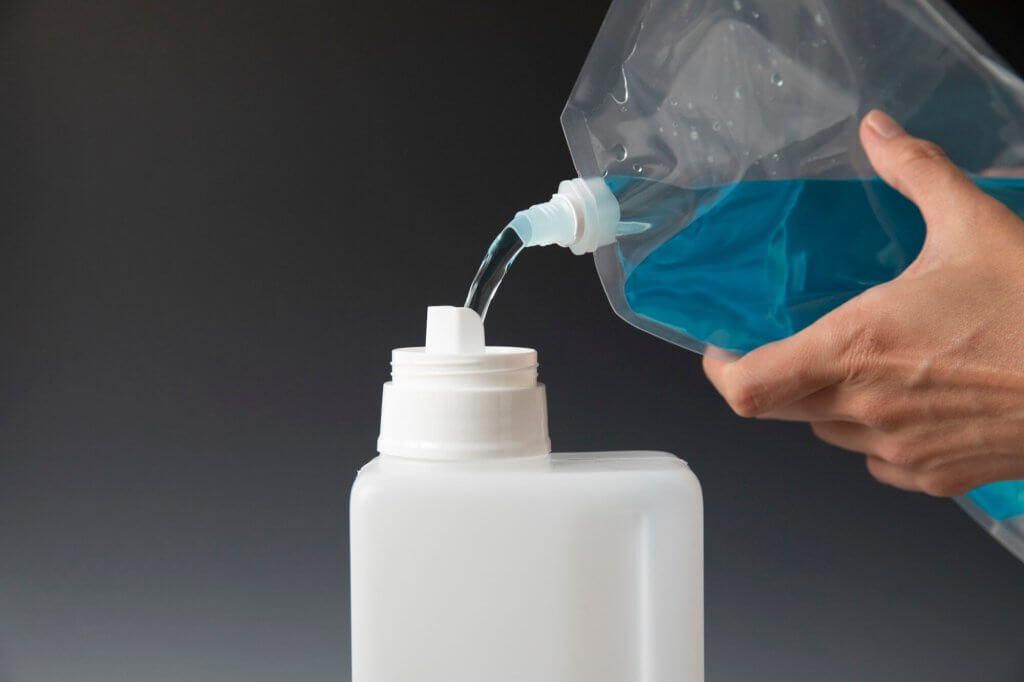
Refill pouches are transforming packaging strategies. They offer a practical, sustainable alternative to bulky rigid packaging without compromising performance. This solution is ideal for brands and consumers focused on reducing waste and improving sustainability.
Why It Matters
Refill pouches significantly reduce plastic use and carbon emissions, helping brands meet sustainability goals and appeal to eco-conscious consumers. They also lower transportation costs and improve storage efficiency, making them a win-win for businesses and the environment.
Read This Blog: HERE
2. Guide to Life Cycle Assessment (LCA) of Packaging
Life Cycle Assessment (LCA) offers a comprehensive view of packaging’s environmental impact. This blog explains why LCA is essential for businesses and sustainability professionals seeking data-driven strategies to reduce carbon footprints and make informed decisions.
Why It Matters
LCA enables companies to move beyond assumptions and adopt measurable sustainability practices. It supports compliance with environmental standards, strengthens brand reputation, and helps meet consumer demand for transparency.
Read This Blog: HERE
3. Flexible Pouches 101: Popular Materials and Their Applications
Flexible pouches are gaining traction across industries. This blog provides a clear overview of their types, features, and benefits and it is ideal for businesses and packaging professionals looking to understand why pouches is trending and how they support sustainability and convenience.
Why It Matters
Flexible pouches serve diverse sectors, from food and beverages to personal care and pharmaceuticals. Their ability to accommodate liquids, powders, and solids makes them a universal packaging solution. This versatility allows brands to streamline packaging strategies, reduce costs, and meet consumer expectations for convenience.
Read This Blog: HERE
4. Flexible Packaging Manufacturing
Understanding the manufacturing process behind flexible packaging is critical for brands aiming to innovate and remain competitive. This blog simplifies complex steps and offers practical insights for businesses seeking efficient, sustainable solutions.
Why It Matters
Understanding the manufacturing process helps companies to select the right materials, printing, and sealing methods to ensure product safety, shelf appeal, and cost efficiency. It also gives teams the clarity to identify process improvements, reduce waste, and implement sustainable practices without compromising quality or efficiency.
Read This Blog: HERE
5. Power of Cosmetic Sachet Packaging
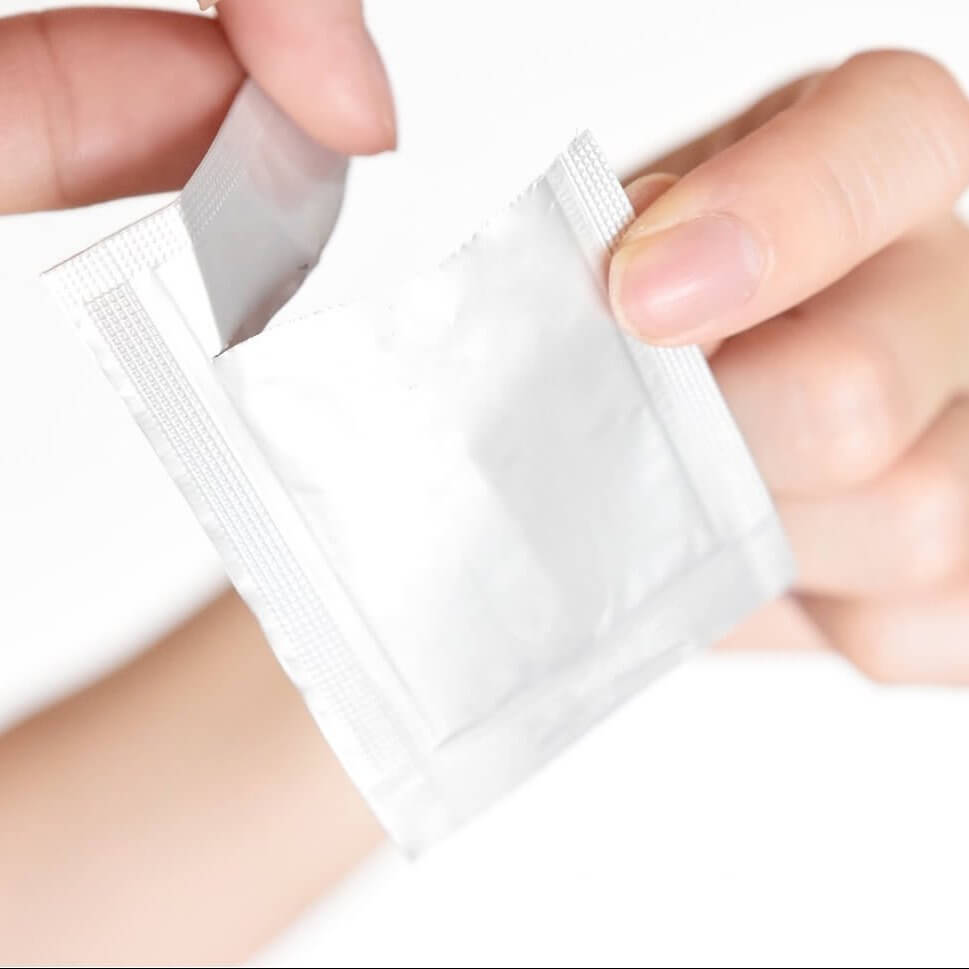
Cosmetic sachets are a storytelling tool. This blog explores how sachets help beauty brands build trust and provide consumers with a low-risk way to try new products.
Why It Matters
Sachets offer an accessible, low-risk trial experience that drives new brand adoption and expands market reach. They also support sustainability goals, lowering material use and emissions compared to rigid sample formats, aligning performance with environmental responsibility.
Read This Blog: HERE
The big picture: 2025 packaging trend
- Flexible formats & refills are scaling fast.
Driven by lighter weight, lower logistics costs, and convenience, flexible packaging demand is rising across food and non-food sectors. According to the REUSE Foundation, refill formats have moved beyond experimentation, though policy support remains limited.
- Sustainability is shifting from “recyclable” claims to full life cycle.
The strong engagement with the LCA indicates brands want decisions backed by measurable impact (GHG, water, material use) and not just end‑of‑life labels. Many companies have shifted their focus toward source reduction, and flexible pouches deliver on that promise. While recyclable packaging remains important, it often relies on consumers to properly dispose of materials, which can limit its real-world impact. Flexible pouches address sustainability at the source by reducing material use from the start.
- Design-for-recycling: monomaterial is the new baseline.
While resource reduction remains essential, the real breakthrough is how monomaterial solutions simplify recycling streams and enable large-scale recovery, creating a direct link between packaging design and circular economy goals. Numerous organizations are actively assessing end markets for flexible films to ensure recyclability translates into real-world recovery and value. This alignment between design innovation and market readiness is accelerating adoption across the industry.
- Sampling via sachets remains a growth lever.
The sachet blog’s popularity tracks with data showing beauty sampling drives trial and conversion while meeting consumer desires for lower-risk, inclusive access. In an intensely competitive cosmetics market, fueled by easier global purchasing and cross-border e-commerce, brands are leveraging sachets as a strategic tool to stand out, capture attention, and convert first-time buyers into loyal customers.
Conclusion
Packaging is evolving rapidly. Consumers expect convenience, brands demand sustainability, and global trends are pushing innovation. Flexible packaging is no longer niche format for non-food applications. They’re scaling fast, supported by convenience and cost advantages. At the same time, sustainability strategies are shifting from simple recyclability claims to full life cycle accountability, making LCA-driven decisions essential. Monomaterial design with source reduction is emerging as the new standard, simplifying recycling and aligning with circular economy goals, while sachet sampling continues to be a powerful lever for trial and conversion in an increasingly competitive, globally accessible beauty market.
For brands, the message is clear: packaging strategy must balance ambition with practicality, prioritizing agility to adapt quickly, innovation that delivers real consumer and operational value, and measurable impact that aligns with both sustainability goals and business performance.
Are You Ready to Explore Sustainable Packaging for your Backbar Products?
ZACROS has provided quality flexible packaging for beauty liquid products for over 25 years. We have an intensive chemical compatibility database to find you with a suitable packaging solution. Contact us today to learn more.