
More Pets, More Products, More Packaging Waste
Pet ownership has shown steady growth over the years in the US. It is estimated that 94 million households will own at least one pet in 2025, compared to 82 million in 2023, according to APPA’s 2025 Industry Report. The combined population of pet dogs and cats has reached 163.6 million, which is a 45% increase since 1996, according to data from the 2025 AVMA Pet Ownership and Demographics Sourcebook. This surge in pet ownership is driving demand for non-food pet care products, including grooming, health, and wellness items, and consumers are increasingly asking brands to adopt more sustainable practices, not only for the product itself but also for its packaging.
Sustainable Packaging Goes Beyond the Grocery Aisle
For years, sustainability conversations have focused on food and beverage packaging. Now, the shift is reaching personal care and pet care products. Consumers increasingly expect eco-friendly solutions across all categories, and retailers are setting ambitious goals for packaging that is sustainable. Currently, single-use plastics dominate non-food pet care categories, contributing to landfill waste and carbon emissions.
Pet Care Leads the Pack in Refillable Packaging Interest
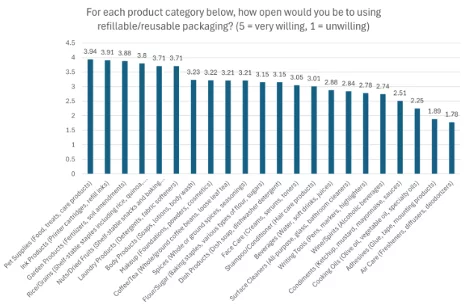
One of the survey results shows that pet supplies ranked at the top of the list of categories where consumers are most willing to adopt reusable or refillable packaging, but they rank lower in engagement with refill stations. This indicates that while consumers agree with the concept of refill and reuse packaging, in-store refilling is not their preferred solution. Therefore, offering easy refill and reuse options is key to meeting consumer needs.
Demand Is High, Supply Is Low: A Missed Opportunity for Pet Brands
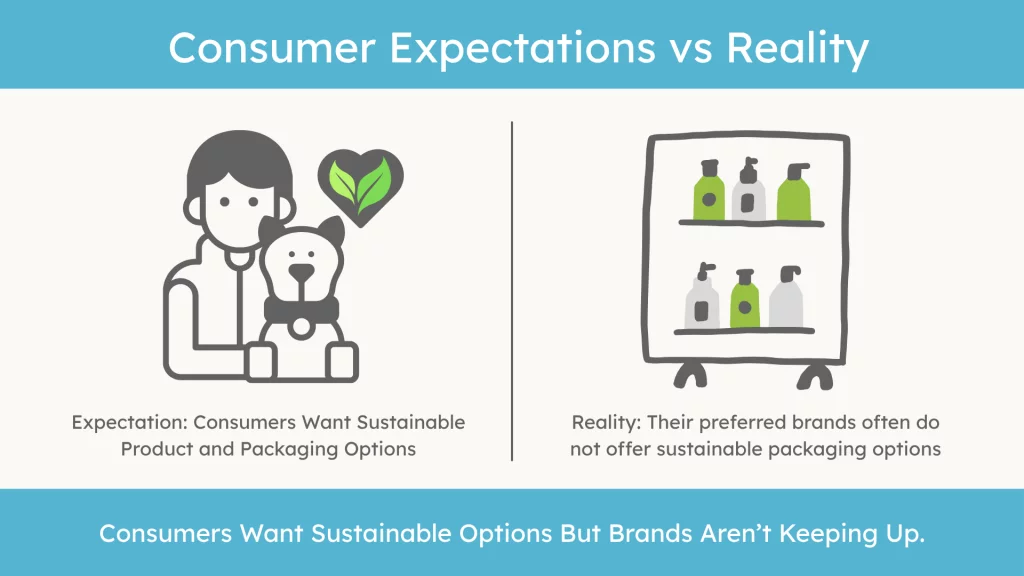
In addition, more Americans report buying sustainable products in 2025 than ever before, according to GlobeScan. However, there is still a gap between consumer demand and brand availability. Shoppers want sustainable packaging, but their preferred brands often do not offer these options. This disconnect creates an opportunity for pet care brands to lead the way.
Why Flexible Refill Pouches Are a Game-Changer in Pet Industry
Refill pouches are more than a trend. They represent a true sustainability impact, not just a “recyclable” label. Here’s why:
- Up to 80% Less Plastic: Compared to rigid HDPE bottles, flexible pouches use significantly less material, reducing plastic waste by up to 70–80%.
- Lower Carbon Emissions: Life Cycle Assessments show refill pouches cut greenhouse gas (GHG) emissions,especially during production and transport.
- Optimized Evacuation: Flexible design makes it easy to empty the product completely, reducing waste and improving user experience.

The Real Impact: Numbers That Matter
Recyclable packaging is important, but at the end of the day, consumers play a pivotal role in making recycling work. Even the most recyclable packaging fails if it is not disposed correctly. According to The Recycling Partnership’s 2024 report, only 21% of U.S. residential recyclables are actually captured, while 76% end up in the trash at home. Unfortunately, changing consumer behavior is not easy. Habits are deeply ingrained, and recycling systems vary widely by region. Many people still confuse “recyclable” with “sustainable,” and curbside programs often do not accept flexible pouches, even when they are technically recyclable.
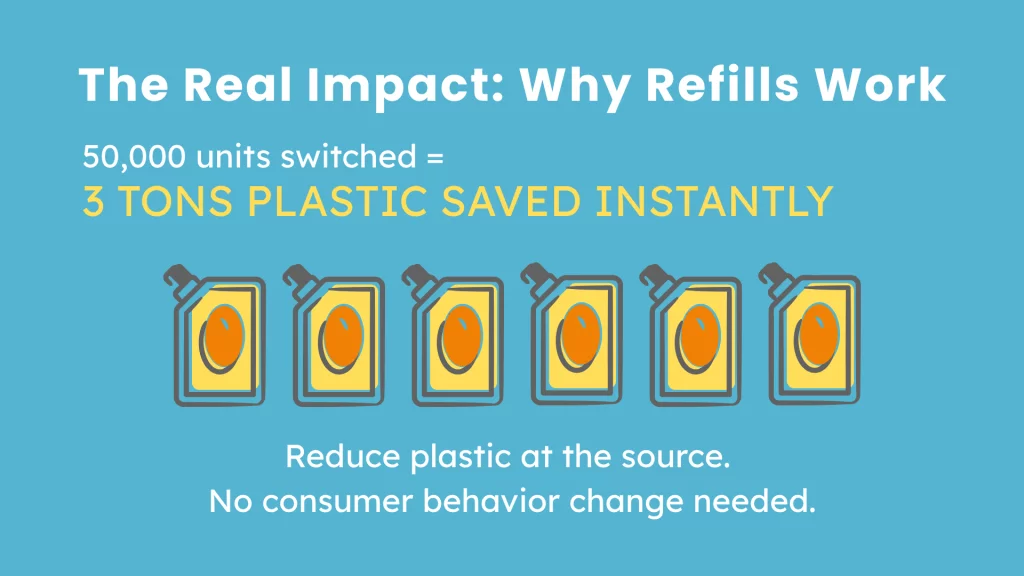
That is why refills make an excellent sustainable solution for products like non-food pet items. By reducing plastic use at the source, brands can make a significant environmental impact without relying on consumer recycling habits. Imagine converting just 50,000 units of pet shampoo from rigid bottles to refill pouches, you would save 3 tons of plastic instantly. Scale that across the global market, and the environmental benefits become transformative.
How Refill Pouches Align With EPR Goals
You might wonder, what about Extended Producer Responsibility (EPR)? Yes, many states emphasize recyclability. However, flexible packaging is also evolving. Refill pouches paired with monomaterial designs help brands meet EPR goals while making a real impact.
That does not mean education is not important. Brands still need to simplify instructions and provide clear disposal guidance. Pairing education with actionable solutions can bridge the gap between intention and impact. But the most effective strategy is designing packaging that minimizes waste from the start, so sustainability does not depend on perfect consumer behavior. It is critical to design packaging that clearly communicates the benefits of refill systems.
Why Education Matters
- Misconceptions are common: Many consumers equate “recyclable” with “sustainable,” but that’s only part of the story.
- Trust drives loyalty: When brands explain the real impact like reduced carbon footprint and material savings, customers feel confident in their choices.
Refill Systems: Good for Pets, Great for Business
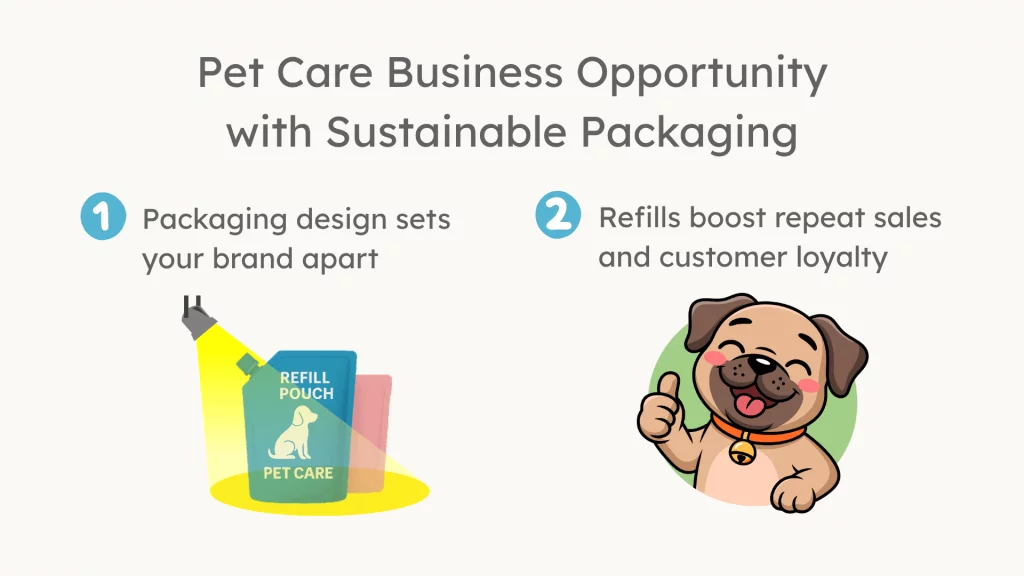
In addition to sustainability, refills are good for business. By reducing plastic at the source and offering convenient refill options, brands can differentiate themselves in a crowded market while meeting sustainability goals. These systems encourage repeat purchases, creating a natural cycle of brand loyalty and customer engagement.
Consumers are ready for this shift. According to NielsenIQ, 56% of shoppers prioritize reusable or refillable packaging, and Gen Z is leading the charge, viewing sustainability as a core value rather than a trend. In fact, younger consumers are more likely to switch brands if their preferred products do not align with their eco-conscious expectations.
What’s Next for Pet Care Packaging?
The future is about creating designs that make a difference. Flexible pouches deliver on performance, convenience, and sustainability, making them the ideal solution for liquid non-food products such as pet care items. As regulations tighten and consumer expectations rise, brands that embrace refill packaging now will secure a competitive edge.
Are You Ready to Explore Sustainable Packaging for your Backbar Products?
ZACROS has provided quality flexible packaging for beauty liquid products for over 25 years. We have an intensive chemical compatibility database to find you with a suitable packaging solution. Contact us today to learn more.